Infrastructure as Code (IaC) is a crucial practice in contemporary software development and DevOps methodologies. It focuses on managing and provisioning computing infrastructure through machine-readable definition files instead of relying on physical hardware configurations or interactive tools. This method allows developers and operations teams to automate the setup and management of servers, networks, and storage, resulting in enhanced efficiency and minimized operational risks.
With IaC, infrastructure configurations are treated like code. This means that infrastructure can be created, destroyed, and recreated in a predictable and repeatable way, enabling organizations to optimize their development and deployment processes.
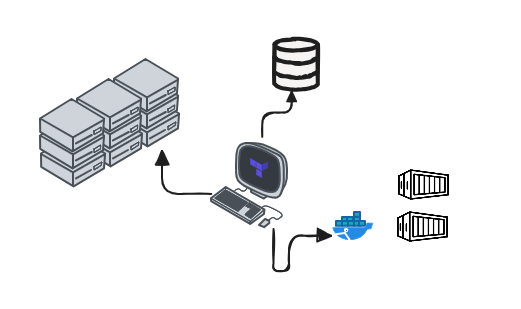
I have been using Infrastructure as Code (IaC) to automate infrastructure deployment pipelines, which has greatly improved efficiency and minimized operational issues in my projects. With tools like Terraform, I am able to me to automate the entire provisioning process, from setting up cloud resources to configuring network security, significantly reducing the time required for deployment. What once took days or even weeks can now be accomplished in minutes with fewer human interventions. This consistency also simplifies the process of debugging infrastructure-related issues, as the same configuration is applied across development, staging, and production environments.
Additionally, IaC has integrated smoothly into the CI/CD pipelines, ensuring that the infrastructure is automatically updated whenever a new application version is released. This not only speeds up the time to market but also minimizes downtime and the risks associated with manual configurations. By version-controlling infrastructure changes, I can track every update, roll back if needed, and ensure smooth transitions between deployments.
Key Benefits of IaC
Infrastructure as Code (IaC) ensures that configurations are uniform across various environments, such as development, testing, and production. This consistency minimizes discrepancies and eliminates the common “it works on my machine” issue, as the same configuration files can be utilized in all settings.
Version Control: With IaC, infrastructure code can be versioned and managed in source control systems like Git, similar to application code. This capability enables teams to keep a record of changes, collaborate on updates, and easily revert to earlier configurations if problems occur.
Automation and Efficiency: IaC automates the setup and management of infrastructure, significantly decreasing the likelihood of manual errors during configuration. This automation speeds up deployment times and allows teams to concentrate on more strategic tasks rather than repetitive setup activities.
Scalability: IaC makes it easier to adjust infrastructure size based on demand, whether scaling up or down. This is especially advantageous in serverless environments, where workloads can vary significantly.
Collaboration: By utilizing code as a shared language for defining and managing infrastructure, development and operations teams can work together more effectively. This enhances communication and alignment between teams, promoting a DevOps culture.
Popular IaC Tools
Several tools and frameworks make it easier to implement Infrastructure as Code (IaC), each offering distinct features and advantages:
Terraform: Terraform, developed by HashiCorp, is an open-source tool that lets users define and provision infrastructure across multiple cloud providers using a declarative configuration language known as HashiCorp Configuration Language (HCL). Its state management capability tracks resources, simplifying the process of managing changes and updates. Recently, HashiCorp was acquired by IBM.
AWS CloudFormation: AWS CloudFormation allows users to define and provision AWS infrastructure through templates written in JSON or YAML. It integrates smoothly with other AWS services and provides a solid method for managing complex infrastructure configurations.
Azure Resource Manager (ARM) Templates: ARM Templates are utilized for managing Azure resources with a JSON-based configuration format. They enable users to outline the infrastructure and its dependencies within a single template, which can be version-controlled and reused across different projects.
Ansible: Ansible is an open-source automation tool that serves for configuration management, application deployment, and orchestration. It allows users to define infrastructure as code through playbooks written in YAML, making it straightforward to understand and manage.
Pulumi: Pulumi is a more recent IaC tool that enables developers to use programming languages such as JavaScript, Python, and Go to define and manage cloud infrastructure. This approach allows teams to utilize their existing coding skills while taking advantage of the benefits of IaC.
Infrastructure as Code is a game-changing approach that enables organizations to automate and enhance their infrastructure management processes. By utilizing IaC, teams can attain improved consistency, collaboration, and efficiency throughout their software development lifecycle. As cloud environments keep advancing, embracing IaC will be essential for organizations aiming to remain competitive and adaptable to shifting demands.
 FactorBytes
Leave a comment