Understanding Microservices: Architecture, Benefits, and Components

What are Microservices? Microservices are an architectural style that structures an application as a collection of small, autonomous services, each modeled around a specific business domain. Unlike traditional monolithic architectures, where all components are tightly integrated into a single system, microservices allow for the independent development, deployment, and scaling of individual services. Each microservice runs... Continue Reading →

Brief Introduction to OData API Architecture

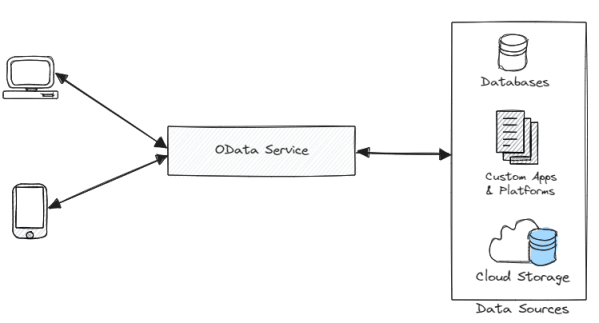
Introduction to OData OData (Open Data Protocol) is a standard protocol established by OASIS for creating and consuming RESTful APIs. It is designed to simplify the development and consumption of APIs by providing a consistent way to query and manipulate data. OData helps developers focus on business logic rather than the nuances of API implementation,... Continue Reading →

Monolithic Architecture: Exploration and Its Relevance Today

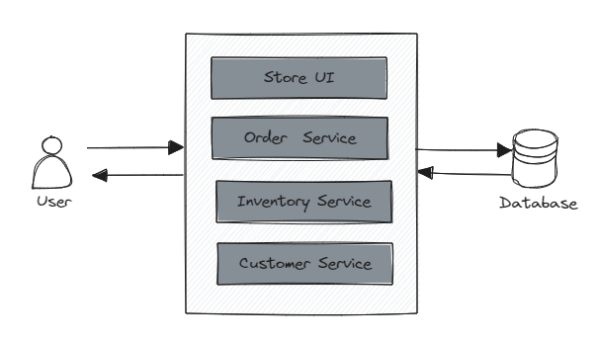
Introduction Monolithic architecture is one of the oldest and most traditional forms of software design. It refers to a single, unified software application where all components are interconnected and interdependent. Despite the surge in popularity of micro-services and other distributed architectures, monolithic architecture remains relevant, especially for certain types of applications and organizations. This blog... Continue Reading →

Useful Docker Commands

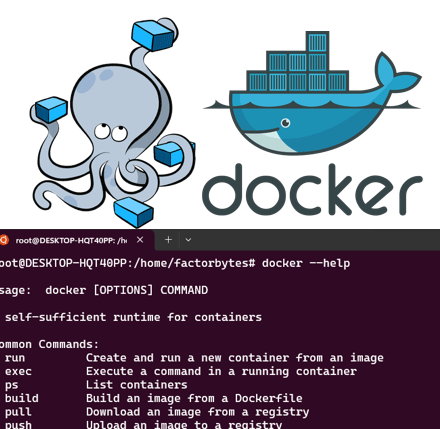
Docker has revolutionized the way we deploy and manage applications by providing a lightweight, portable, and scalable containerization platform. As developers and system administrators, mastering Docker commands is crucial for efficient container management. In this blog post, we'll explore some common Docker commands that will help you streamline your containerized workflow. Docker Run docker run... Continue Reading →

Running Google Chrome on WSL with Ubuntu

Windows Subsystem for Linux (WSL) allows users to run a Linux distribution alongside their Windows operating system. While WSL provides a Linux environment, it doesn't include a graphical user interface or a web browser by default. In this guide, we'll walk you through the steps to install Google Chrome on WSL, providing you with a... Continue Reading →

Understanding API Gateway

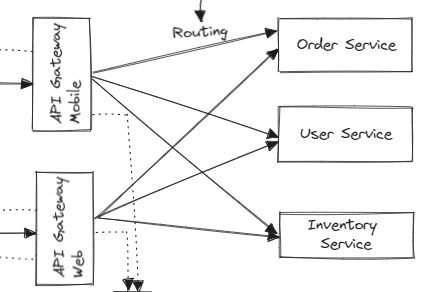
While microservices architecture offers numerous benefits such as scalability, flexibility, and faster development cycles, it also introduces certain challenges and complexities when not complemented with an API Gateway. Consider a scenario, where you have multiple microservices; however, you do not implement an API Gateway and directly call the microservices in the client. Here are some... Continue Reading →

A Guide to Software Architectural Concerns

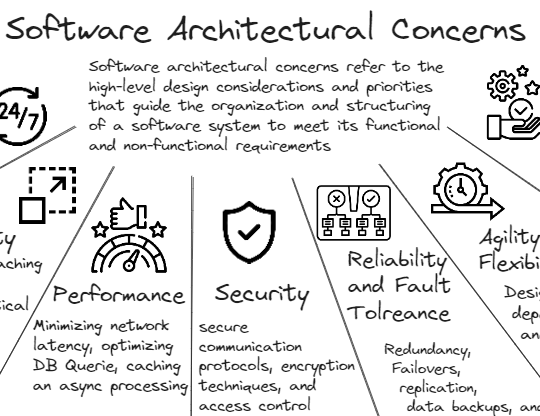
Software architecture plays a crucial role in determining the success and longevity of a system. A well-designed software architecture answers questions like "How available is the software", "How fast is the system" and "How secure is the system". A well-designed software architecture sets the foundation for scalability, maintainability, and robustness. However, architects often face numerous... Continue Reading →

The importance of knowing your strengths and weaknesses

Understanding your strengths and weaknesses is the most important step towards personal growth, self-improvement, and achieving your goals. This self-awareness not only allows you to leverage your strengths to your advantage but also empowers you to address and overcome your weaknesses. In this blog, we will explore the importance of recognizing your strengths and weaknesses,... Continue Reading →

Building a Simple Port Listener in Shell Script

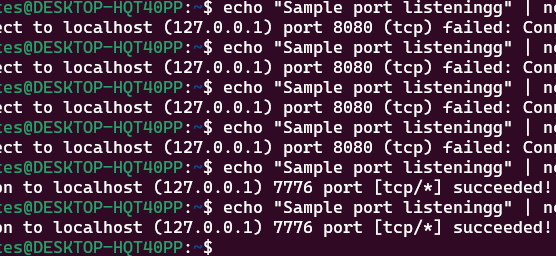
As a software architect, it is of utmost importance to have a solid understanding of a few networking tools and techniques. One such technique is creating a simple port listener using a shell script. This can be incredibly useful for tasks like testing network connectivity, monitoring traffic, or debugging network issues. In this blog post,... Continue Reading →

Strategies for Effective Cloud Cost Management

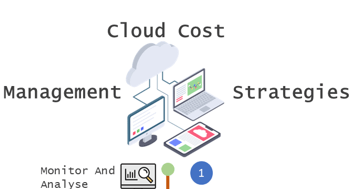
Cloud computing has revolutionized the way businesses operate by providing flexible, scalable, and cost-effective solutions. However, one of the most significant challenges organizations face when adopting cloud services is managing and optimizing costs. Without a well-defined cloud cost management strategy, businesses can easily face unexpected expenses and financial inefficiencies. In this blog, we will explore... Continue Reading →

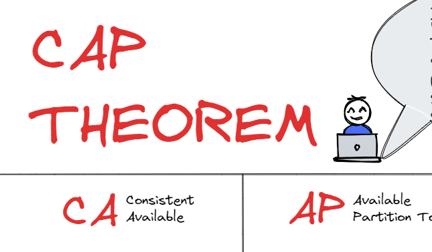
Understanding CAP Theorem: Balancing Consistency, Availability, and Partition Tolerance in Distributed Systems

Distributed systems have become increasingly prevalent in today's technology landscape, enabling scalability, fault-tolerance, and high availability. However, designing and managing distributed systems come with their own set of challenges. One fundamental concept that plays a crucial role in distributed system design is the CAP theorem. In this blog we will I've deep into understanding the... Continue Reading →

Create a website or blog at WordPress.com

Up ↑