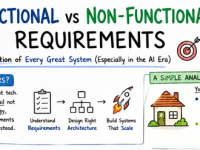
Functional vs Non-Functional Requirements Explained: Why They Matter More in the Age of AI
As architects and developers, we love talking about technologies. Microservices. Kubernetes. Event Streaming. AI Agents. MCP. RAG. Vector Databases. But before we draw architecture diagrams, choose cloud services, or discuss design patterns, there is one question we should answer: What problem are we actually trying to…

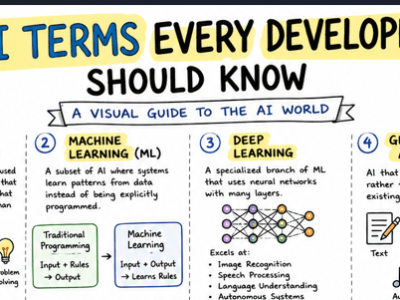
AI Terms Every Developer Should Know
Artificial Intelligence today is transforming how we build software, automate business processes, and interact with technology. As developers and architects, we constantly hear terms such as Machine Learning, Large Language Models (LLMs), Embeddings, RAG, and Agentic AI. While these terms are frequently mentioned in conferences, blogs,…
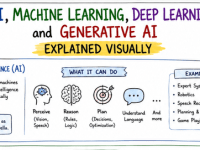
AI vs Machine Learning vs Deep Learning vs Generative AI: Explained Visually for Architects and Developers
“Data is the fuel. Algorithms are the engine. Intelligence is the destination.” Artificial Intelligence is everywhere today. Open any technology news site, attend a conference, browse LinkedIn, or sit in a boardroom discussion, and you’ll hear terms like AI, Machine Learning, Deep Learning, Large Language Models,…
Key components of a solution blueprint
A Solution Blueprint serves as a comprehensive guide that outlines the technical, business, and operational aspects of a solution, ensuring all stakeholders are aligned from inception to implementation. Below are the key components that forms the foundation of any well-defined architectural document. 1. Executive Summary The…
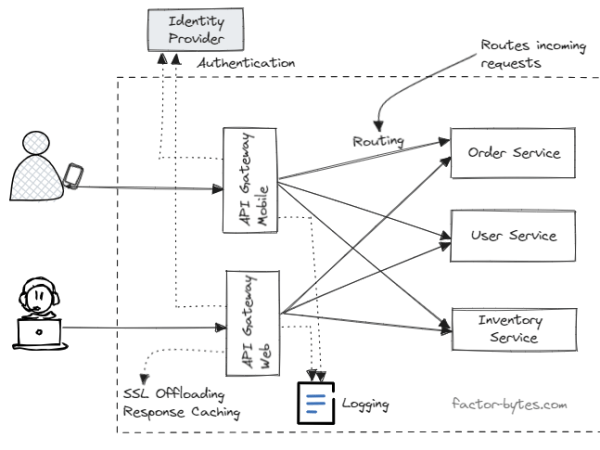
Importance of a Good Solution Architecture in Software Design
In software development, it’s crucial to deliver solutions that are scalable, secure, and maintainable to achieve business objectives. A solid solution architecture is fundamental to software design, ensuring that the system can grow, adapt to changes, and maintain consistent performance under different loads. Without a strong…

How IaC saved time, helped me automate pipelines
Infrastructure as Code (IaC) is a crucial practice in contemporary software development and DevOps methodologies. It focuses on managing and provisioning computing infrastructure through machine-readable definition files instead of relying on physical hardware configurations or interactive tools. This method allows developers and operations teams to automate…

Change Data Capture (CDC) in SQL Server and PostgreSQL
Contemporary software databases possess an advanced function labelled Change Data Capture, which enables the monitoring and recording of modifications on data almost immediately. This feature has become indispensable owing to the growing reliance on data analytics and the need to maintain data accuracy, perform analytics on…

It’s “People” not Resources
We all know that the corporate world is a complex and dynamic ecosystem where businesses strive to innovate, compete and grow in an ever-changing global market. It’s a realm defined by high-stakes decision-making, intricate strategies, and relentless pursuit of efficiency and profitability. Anyone who is part…
Best Practices for Enterprise Application Development
Enterprise applications are large-scale software systems designed to support and streamline business processes, data management, and operations within an organization. They integrate with existing systems to ensure seamless data flow and interoperability. Enterprise applications are essential for enhancing efficiency, providing analytics and reporting, improving decision-making, and…

Performance Tuning Kafka JDBC Source Connector
Apache Kafka is widely used for building real-time data pipelines and streaming applications. One common scenario is to stream data from relational databases into Kafka. This can be achieved using the Kafka JDBC Source Connector, which is part of the Confluent Kafka Connect framework. Tuning the…
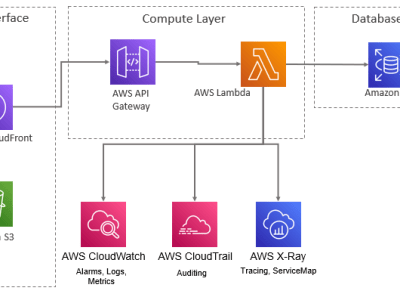
Observability and Monitoring in Serverless Microservices
As an architect, designing a robust serverless microservices architecture is just the first step. Ensuring that your application runs smoothly in production requires a solid observability and monitoring strategy. Observability helps you understand how your system behaves, while monitoring helps you track its performance and health…

A look at some common API Patterns
Understanding APIs An API, or Application Programming Interface, is a set of rules and protocols that allows different software applications to communicate with each other. It defines the methods and data formats that applications can use to request and exchange information. APIs are essential in modern…
 FactorBytes