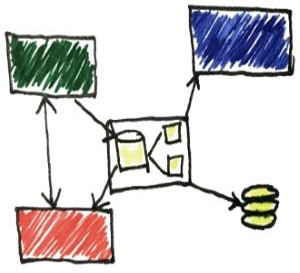
A Solution Blueprint serves as a comprehensive guide that outlines the technical, business, and operational aspects of a solution, ensuring all stakeholders are aligned from inception to implementation. Below are the key components that forms the foundation of any well-defined architectural document. 1. Executive Summary The Executive Summary provides a high-level overview of the solution,... Continue Reading →
Importance of a Good Solution Architecture in Software Design
In software development, it's crucial to deliver solutions that are scalable, secure, and maintainable to achieve business objectives. A solid solution architecture is fundamental to software design, ensuring that the system can grow, adapt to changes, and maintain consistent performance under different loads. Without a strong architecture, projects may face inefficiencies, budget overruns, technical debt,... Continue Reading →
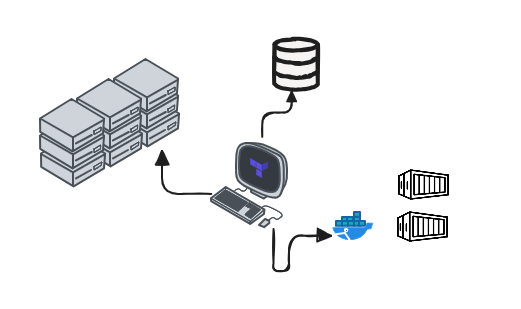
How IaC saved time, helped me automate pipelines
Infrastructure as Code (IaC) is a crucial practice in contemporary software development and DevOps methodologies. It focuses on managing and provisioning computing infrastructure through machine-readable definition files instead of relying on physical hardware configurations or interactive tools. This method allows developers and operations teams to automate the setup and management of servers, networks, and storage,... Continue Reading →
Change Data Capture (CDC) in SQL Server and PostgreSQL
Contemporary software databases possess an advanced function labelled Change Data Capture, which enables the monitoring and recording of modifications on data almost immediately. This feature has become indispensable owing to the growing reliance on data analytics and the need to maintain data accuracy, perform analytics on the data as it changes and share the data... Continue Reading →
Best Practices for Enterprise Application Development
Enterprise applications are large-scale software systems designed to support and streamline business processes, data management, and operations within an organization. They integrate with existing systems to ensure seamless data flow and interoperability. Enterprise applications are essential for enhancing efficiency, providing analytics and reporting, improving decision-making, and maintaining a competitive edge. They are characterized by their... Continue Reading →
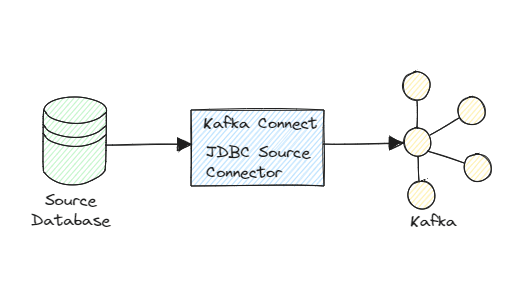
Performance Tuning Kafka JDBC Source Connector
Apache Kafka is widely used for building real-time data pipelines and streaming applications. One common scenario is to stream data from relational databases into Kafka. This can be achieved using the Kafka JDBC Source Connector, which is part of the Confluent Kafka Connect framework. Tuning the performance of this connector is crucial to ensure that... Continue Reading →
Observability and Monitoring in Serverless Microservices
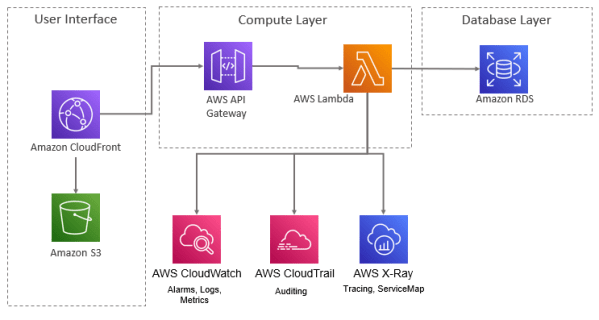
As an architect, designing a robust serverless microservices architecture is just the first step. Ensuring that your application runs smoothly in production requires a solid observability and monitoring strategy. Observability helps you understand how your system behaves, while monitoring helps you track its performance and health in real-time. In this blog, Iโll walk you through... Continue Reading →
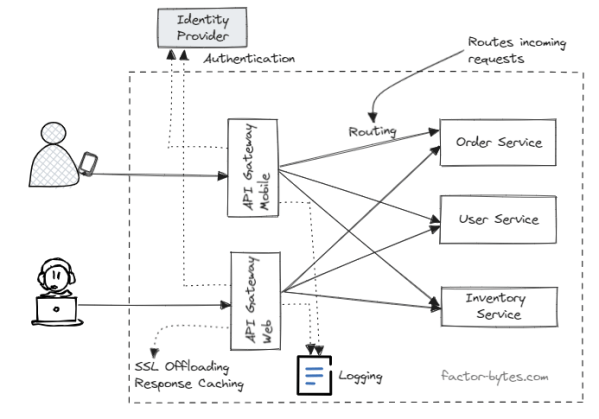
A look at some common API Patterns
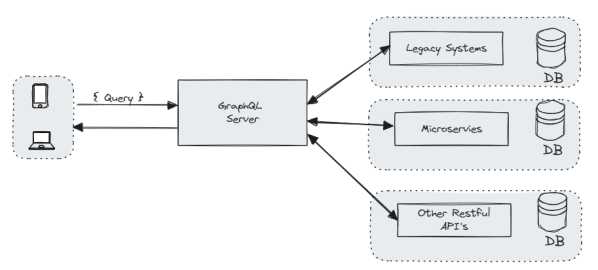
Understanding APIs An API, or Application Programming Interface, is a set of rules and protocols that allows different software applications to communicate with each other. It defines the methods and data formats that applications can use to request and exchange information. APIs are essential in modern software development because they enable the integration of disparate... Continue Reading →
Understanding Microservices: Architecture, Benefits, and Components
What are Microservices? Microservices are an architectural style that structures an application as a collection of small, autonomous services, each modeled around a specific business domain. Unlike traditional monolithic architectures, where all components are tightly integrated into a single system, microservices allow for the independent development, deployment, and scaling of individual services. Each microservice runs... Continue Reading →
Brief Introduction to OData API Architecture
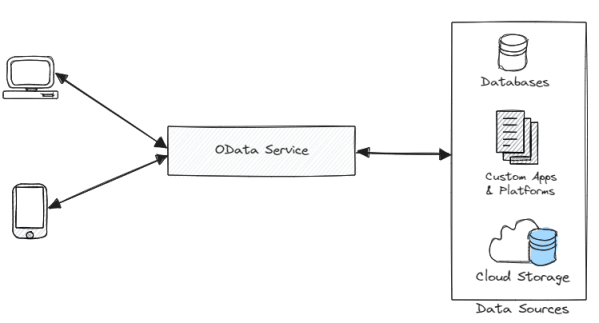
Introduction to OData OData (Open Data Protocol) is a standard protocol established by OASIS for creating and consuming RESTful APIs. It is designed to simplify the development and consumption of APIs by providing a consistent way to query and manipulate data. OData helps developers focus on business logic rather than the nuances of API implementation,... Continue Reading →
Monolithic Architecture: Exploration and Its Relevance Today
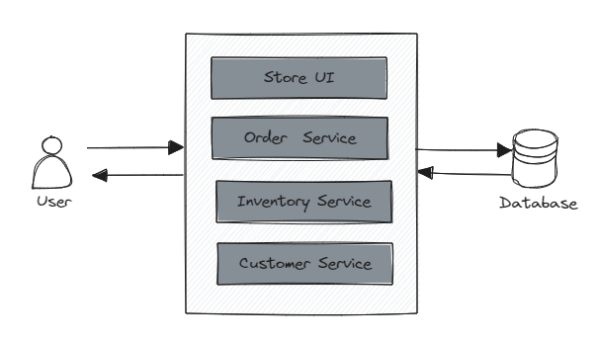
Introduction Monolithic architecture is one of the oldest and most traditional forms of software design. It refers to a single, unified software application where all components are interconnected and interdependent. Despite the surge in popularity of micro-services and other distributed architectures, monolithic architecture remains relevant, especially for certain types of applications and organizations. This blog... Continue Reading →
Explained : Conceptual, Logical, and Physical Data Models
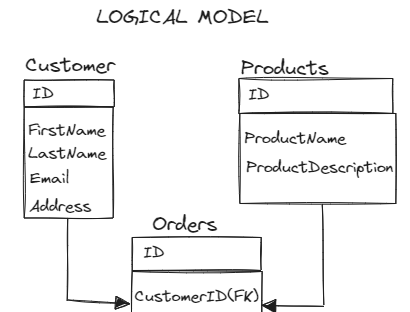
Data lives at the heart of every modern system, but how do we organize and understand it? That's where data models come in, blueprints for structuring and managing information effectively. This blog delves into the three vital stages of data modeling: conceptual, logical, and physical, demystifying their roles in bringing order to the data chaos.... Continue Reading →