A Solution Blueprint serves as a comprehensive guide that outlines the technical, business, and operational aspects of a solution, ensuring all stakeholders are aligned from inception to implementation. Below are the key components that forms the foundation of any well-defined architectural document. 1. Executive Summary The Executive Summary provides a high-level overview of the solution,... Continue Reading →
Best Practices for Enterprise Application Development
Enterprise applications are large-scale software systems designed to support and streamline business processes, data management, and operations within an organization. They integrate with existing systems to ensure seamless data flow and interoperability. Enterprise applications are essential for enhancing efficiency, providing analytics and reporting, improving decision-making, and maintaining a competitive edge. They are characterized by their... Continue Reading →
A look at some common API Patterns
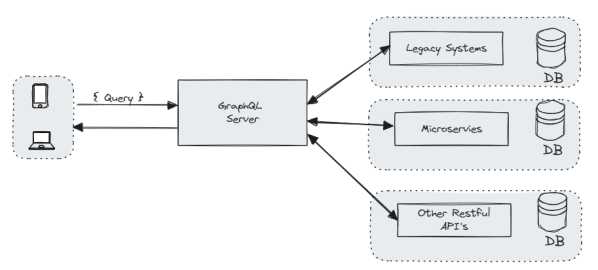
Understanding APIs An API, or Application Programming Interface, is a set of rules and protocols that allows different software applications to communicate with each other. It defines the methods and data formats that applications can use to request and exchange information. APIs are essential in modern software development because they enable the integration of disparate... Continue Reading →
Brief Introduction to OData API Architecture
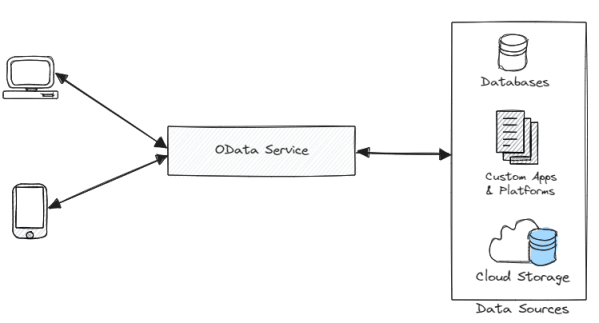
Introduction to OData OData (Open Data Protocol) is a standard protocol established by OASIS for creating and consuming RESTful APIs. It is designed to simplify the development and consumption of APIs by providing a consistent way to query and manipulate data. OData helps developers focus on business logic rather than the nuances of API implementation,... Continue Reading →
Monolithic Architecture: Exploration and Its Relevance Today
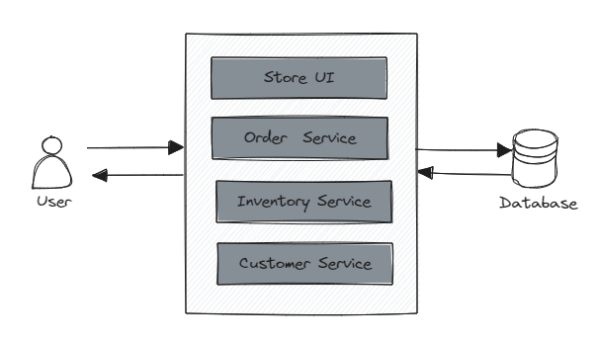
Introduction Monolithic architecture is one of the oldest and most traditional forms of software design. It refers to a single, unified software application where all components are interconnected and interdependent. Despite the surge in popularity of micro-services and other distributed architectures, monolithic architecture remains relevant, especially for certain types of applications and organizations. This blog... Continue Reading →
Explained : Conceptual, Logical, and Physical Data Models
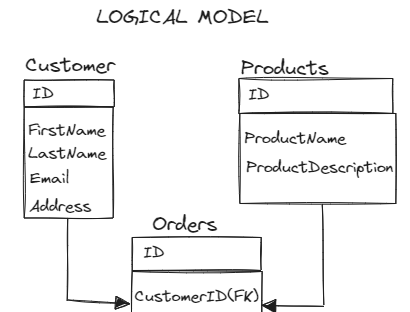
Data lives at the heart of every modern system, but how do we organize and understand it? That's where data models come in, blueprints for structuring and managing information effectively. This blog delves into the three vital stages of data modeling: conceptual, logical, and physical, demystifying their roles in bringing order to the data chaos.... Continue Reading →
Running Google Chrome on WSL with Ubuntu
Windows Subsystem for Linux (WSL) allows users to run a Linux distribution alongside their Windows operating system. While WSL provides a Linux environment, it doesn't include a graphical user interface or a web browser by default. In this guide, we'll walk you through the steps to install Google Chrome on WSL, providing you with a... Continue Reading →
Understanding API Gateway
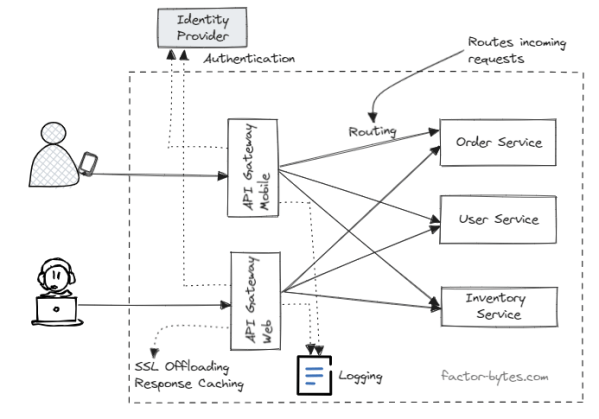
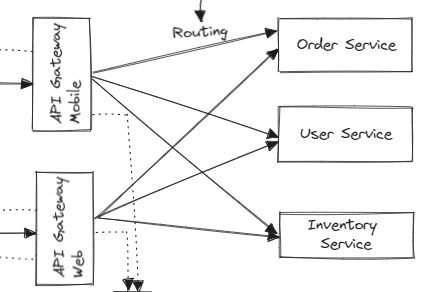
While microservices architecture offers numerous benefits such as scalability, flexibility, and faster development cycles, it also introduces certain challenges and complexities when not complemented with an API Gateway. Consider a scenario, where you have multiple microservices; however, you do not implement an API Gateway and directly call the microservices in the client. Here are some... Continue Reading →
A Guide to Software Architectural Concerns
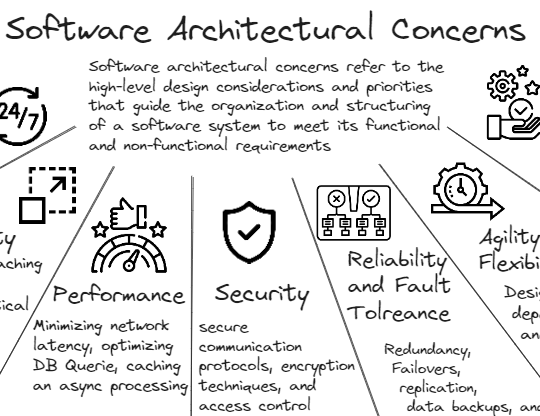
Software architecture plays a crucial role in determining the success and longevity of a system. A well-designed software architecture answers questions like "How available is the software", "How fast is the system" and "How secure is the system". A well-designed software architecture sets the foundation for scalability, maintainability, and robustness. However, architects often face numerous... Continue Reading →
Building a Simple Port Listener in Shell Script
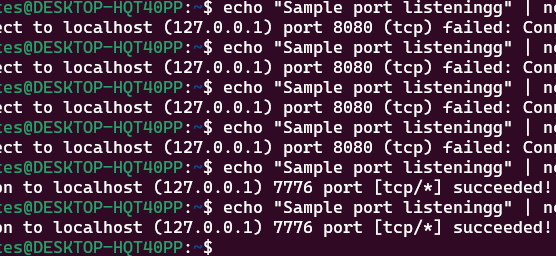
As a software architect, it is of utmost importance to have a solid understanding of a few networking tools and techniques. One such technique is creating a simple port listener using a shell script. This can be incredibly useful for tasks like testing network connectivity, monitoring traffic, or debugging network issues. In this blog post,... Continue Reading →
Understanding CAP Theorem: Balancing Consistency, Availability, and Partition Tolerance in Distributed Systems
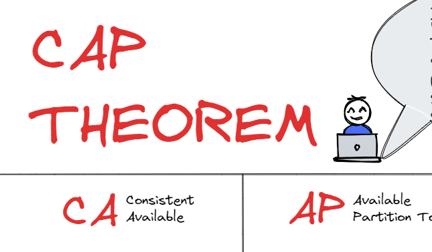
Distributed systems have become increasingly prevalent in today's technology landscape, enabling scalability, fault-tolerance, and high availability. However, designing and managing distributed systems come with their own set of challenges. One fundamental concept that plays a crucial role in distributed system design is the CAP theorem. In this blog we will I've deep into understanding the... Continue Reading →
Choosing the Right Data Storage Solution: Database vs. Data Lake vs. Data Warehouse
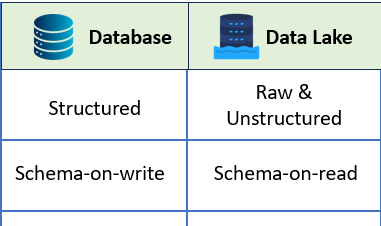
The world today is data-driven and businesses face the challenge of managing and extracting value from large volumes of data. As a result, various data storage solutions have emerged to address different requirements and use cases. In this blog, we'll explore three popular options on a high level: databases, data lakes, and data warehouses. We'll... Continue Reading →